Bus shelters are one of the most underrated OOH advertising assets—they offer high visibility, targeted audiences, and long dwell times, making them a profitable choice for media companies in 2025. With the rise of smart bus shelters (integrating digital signage, interactive features, and data analytics), the profit potential has never been higher. This guide breaks down how to maximize revenue, reduce costs, and win long-term clients with bus shelter advertising.
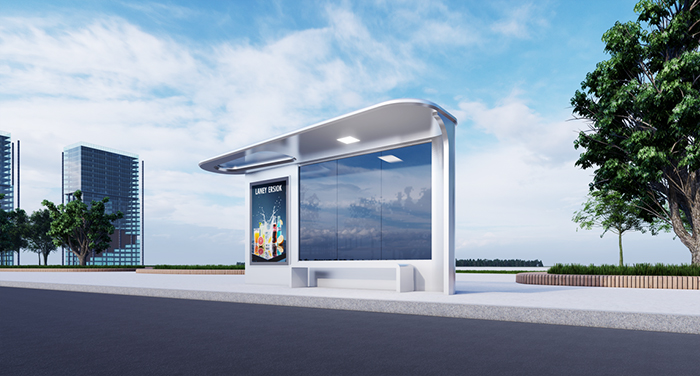
Why Bus Shelter Advertising Is Profitable in 2025
Bus shelters offer unique advantages that drive high ROI for media companies:
- High visibility: Located in high-traffic areas (transit hubs, commercial districts, residential areas), bus shelters reach thousands of pedestrians and commuters daily. A single urban bus shelter can generate 5,000–10,000 impressions per day.
- Targeted audiences: Tailor ads to the shelter’s location—e.g., promote coffee shops near morning commute stops, or retail stores near residential areas.
- Long dwell time: Commuters wait 5–10 minutes for buses, giving them time to engage with ads (especially digital or interactive ones).
- Low competition: Compared to billboards or mall advertising, bus shelter ad inventory is often less saturated, allowing for premium pricing.
Key Profit Drivers for Bus Shelter Advertising
1. Premium Pricing for Digital & Smart Features
Static bus shelter ads are profitable, but digital and smart features let you charge 30–50% higher rental rates:
- Digital signage: Rotate multiple ads (3–5 per shelter) to increase inventory, or offer exclusive digital slots for premium clients. Yeroo’s digital bus shelter screens support split-screen playback, letting media companies sell both full-screen and half-screen ads.
- Interactive features: QR codes, touch screens, or real-time data (e.g., weather, transit info) increase engagement, justifying higher prices. A Mexican media company charged 45% more for interactive bus shelter ads, with 90% client retention.
- 3D effects: 3D digital signage in bus shelters creates immersive experiences—Yeroo’s 3D bus shelter ads for a Brazilian beverage brand commanded a 50% premium, with clients renewing contracts for 12+ months.
2. Reduce Operational & Maintenance Costs
Profitability isn't just about revenue—it's about controlling costs:
- Choose durable materials: Invest in bus shelters with 304 stainless steel frames, anti-UV panels, and IP65 waterproofing (Yeroo’s shelters have an 8-year service life, reducing replacement costs).
- Digital = no printing fees: Static ads require reprinting every 1–3 months (costing $100–$300 per shelter); digital ads are updated remotely for free.
- Energy efficiency: Solar-powered digital shelters reduce electricity costs by 80%. Yeroo’s solar bus shelter project in Rwanda saved clients $500+ per shelter annually.
- Bulk purchasing: Buy bus shelters in bulk from manufacturers like Yeroo to get volume discounts (15–20% off for orders of 50+ units).
3. Long-Term Contracts with Repeat Clients
Bus shelter advertising attracts long-term clients (brands, local businesses, government agencies) because it’s a consistent, targeted channel:
- Offer package deals: Bundle ads across multiple bus shelters (e.g., “10 shelters in downtown areas for 6 months”) to encourage long-term commitments.
- Government partnerships: Bid on municipal contracts to provide smart bus shelters with public service ads + commercial ad slots. Yeroo’s Laos BRT project included a 3-year ad contract with the government, guaranteeing steady revenue.
- Data-driven pitches: Use analytics (impressions, dwell time, engagement rates) to prove ROI to clients—Yeroo’s digital shelters provide real-time data, helping media companies renew 85% of their contracts.
Case Example: Yeroo's Mexican Bus Shelter Advertising Project
A Mexican media company partnered with Yeroo to install 80 smart bus shelters in Mexico City, with digital signage, solar power, and interactive features. Results:
- Revenue: Charged $1,200 per month per shelter (35% higher than static ads) for digital slots—generating $768,000 annually.
- Cost savings: Solar power reduced electricity costs by $40,000 per year; digital updates eliminated $24,000 in printing fees.
- Client retention: 90% of clients renewed their 6-month contracts, with 30% upgrading to larger packages.
- Profit margin: Achieved a 42% profit margin—20% higher than their static ad business.
2025 Profit Optimization Strategies for Media Companies
1. Focus on High-Density Areas
Prioritize bus shelters in high-traffic, high-income areas (downtowns, malls, transit hubs) where you can charge premium rates. For example, a bus shelter near a Dubai mall can command 2–3x more than a suburban shelter.
2. Integrate Ad Inventory with Other OOH Channels
Cross-promote bus shelter ads with your other OOH assets (billboards, mall signage) to offer “full-circle” campaigns. A client might buy a billboard + 5 bus shelters, increasing your average order value.
3. Leverage Smart City Trends
Partner with municipalities to provide smart bus shelters as part of city projects. These projects often include government funding for infrastructure, and you retain the ad rights—creating a win-win.
How Yeroo Helps Media Companies Maximize Profit
Yeroo's smart bus shelters are designed for media profitability, with features like:
- High-quality digital screens (5,000 nits brightness, remote management).
- Solar power options to reduce energy costs.
- Customizable ad slots (split-screen, full-screen, interactive).
- Bulk pricing and fast delivery to scale your bus shelter network.
Ready to unlock the profit potential of bus shelter advertising in 2025? Contact Yeroo for a free revenue projection and custom bus shelter proposal—we’ll help you design a profitable network that stands out from competitors.










 Address:North Tower 904,New World Times Center,Guangyuan Dong Road ,Guangzhou,China
 Phone: +86 13826225776
 Email:yeroo10@3dyeroo.com


