Outdoor light boxes are a versatile choice for advertising, wayfinding, and public information—but improper installation can lead to safety hazards, performance issues, or premature failure. Whether you’re installing wall-mounted LED mupi, floor-standing light boxes, or solar-powered units, following these expert tips will ensure safety, durability, and long-term performance.
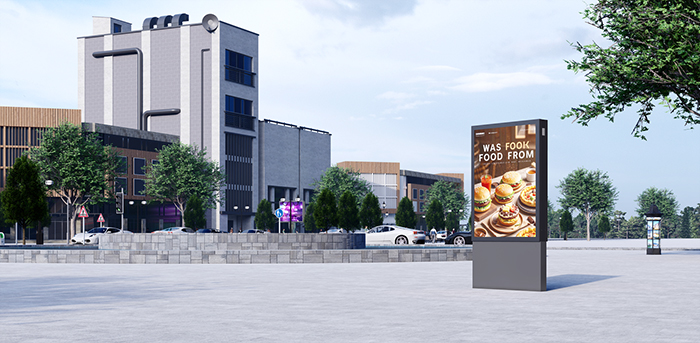
Pre-Installation Preparation: Lay the Groundwork for Success
1. Conduct a Thorough Site Survey
Before installing, assess the site to avoid surprises:
- Environmental conditions: Check for exposure to direct sunlight, heavy rain, wind, or saltwater (coastal areas). For windy regions, ensure the installation surface can withstand the light box’s weight + wind load (Yeroo provides wind load calculation reports for all products).
- Power supply: Confirm access to a stable power source (for non-solar units) or optimal sun exposure (for solar-powered light boxes—aim for 6+ hours of direct sunlight daily).
- Local regulations: Verify compliance with municipal rules (e.g., installation height, distance from sidewalks) to avoid fines. Yeroo’s team can help review local requirements for international projects.
2. Gather the Right Tools & Materials
Use high-quality, weather-resistant tools and materials to ensure a secure installation:
- Fasteners: Use stainless steel bolts and anchors (avoid regular steel, which rusts). For concrete surfaces, use expansion anchors; for brick, use sleeve anchors.
- Sealants: Choose silicone sealant rated for outdoor use (UV-resistant and waterproof) to seal gaps between the light box and mounting surface.
- Tools: Bring a level, drill, torque wrench, and measuring tape—precision is key to avoiding misalignment.
3. Inspect the Light Box Before Installation
Unpack and inspect the light box to ensure it’s damage-free and ready for installation:
- Check for cracks in the frame or panel, loose wires, or damaged components.
- Test the light box (turn it on, check brightness, and verify all features) to avoid installing faulty units.
- Confirm all accessories (mounting brackets, hardware, instructions) are included.
Step-by-Step Installation Guide
1. Wall-Mounted Outdoor Light Boxes
Wall-mounted units are ideal for storefronts, buildings, or narrow spaces:
1. Mark the mounting points on the wall using the light box’s bracket as a template—ensure the marks are level (use a laser level for accuracy).
2. Drill holes according to the anchor size (follow the manufacturer’s instructions) and insert anchors into the wall.
3. Attach the mounting bracket to the wall with bolts, tightening with a torque wrench (don’t over-tighten, as this can damage the bracket).
4. Lift the light box (use a helper for heavy units) and attach it to the bracket—ensure it’s secure and level.
5. Seal all gaps between the light box and wall with silicone sealant to prevent water or dust intrusion.
6. Connect the power supply (hire a licensed electrician for hardwiring) and test the unit.
2. Floor-Standing Outdoor Light Boxes
Floor-standing units are used for parks, plazas, or open areas—foundation setup is critical:
1. Dig a foundation hole (depth and width depend on the light box’s size—Yeroo provides specifications for each product). For small units (≤2㎡), a 30×30×40cm hole suffices; for large units, dig deeper (60×60×80cm).
2. Fill the hole with concrete, insert anchor bolts (leaving the top exposed), and let the concrete cure for 24–48 hours.
3. Attach the light box’s base plate to the anchor bolts, tightening securely.
4. Level the light box using shims if needed—misalignment can cause structural stress.
5. Seal the base plate with silicone sealant to prevent water from entering the foundation.
6. Connect power (or activate solar panels) and test the unit.
3. Solar-Powered Outdoor Light Boxes
Solar units require extra steps to ensure energy efficiency:
1. Install the solar panel in a location with unobstructed sun exposure (avoid shade from trees or buildings).
2. Mount the solar panel at a 30–45° angle (facing south in the Northern Hemisphere, north in the Southern Hemisphere) for maximum sun absorption.
3. Connect the solar panel to the light box’s battery (follow wiring instructions carefully—reverse polarity can damage the battery).
4. Test the solar charging function: Let the panel charge for 8+ hours, then check if the light box operates normally at night.
Post-Installation Tips for Longevity
1. Routine Inspection
- Check the light box monthly for loose bolts, cracks, or water intrusion.
- Clean the panel with a soft cloth and mild detergent (avoid abrasive cleaners) to maintain brightness.
- For solar units, clean the solar panel quarterly to remove dust or debris.
2. Maintenance Best Practices
- Replace bulbs or LED modules as soon as they burn out—failing to do so can strain the power supply.
- Inspect the sealant annually and reapply if it’s cracked or peeling.
- Store spare parts (e.g., bulbs, fuses) for quick replacements.
Case Example: Yeroo's Rwanda LED Mupi Project
A Rwandan government project required 100 solar-powered LED mupi for rural revitalization, with installation in remote areas. Yeroo’s team provided detailed installation guides and on-site training, resulting in:
- 100% successful installation (no safety hazards or performance issues).
- 5-year service life with minimal maintenance (solar panels remained efficient with quarterly cleaning).
- Compliance with Rwandan environmental regulations.
Key Mistakes to Avoid
- Skipping the foundation: For floor-standing units, a weak foundation leads to tipping in windy conditions.
- Using low-quality materials: Rusty fasteners or cheap sealant cause water damage and structural failure.
- Overlooking safety: Always use proper lifting equipment for heavy units, and hire licensed electricians for wiring.
Need help with outdoor light box installation? Yeroo provides detailed installation manuals, video guides, and on-site support for large projects. Contact us for personalized installation advice tailored to your product and location.










 Address:North Tower 904,New World Times Center,Guangyuan Dong Road ,Guangzhou,China
 Phone: +86 13826225776
 Email:yeroo10@3dyeroo.com


