In the landscape of Smart Bus Shelter, the most significant shift is the transformation of static transit stops into intelligent, data-gathering nodes. As a global leader in YEROO Smart City Solutions, the YROO Group is pioneering this evolution, turning common infrastructure into the "senses" of the modern city through integrated IoT technology.
Beyond Transit: The Rise of IoT-connected Transit Furniture
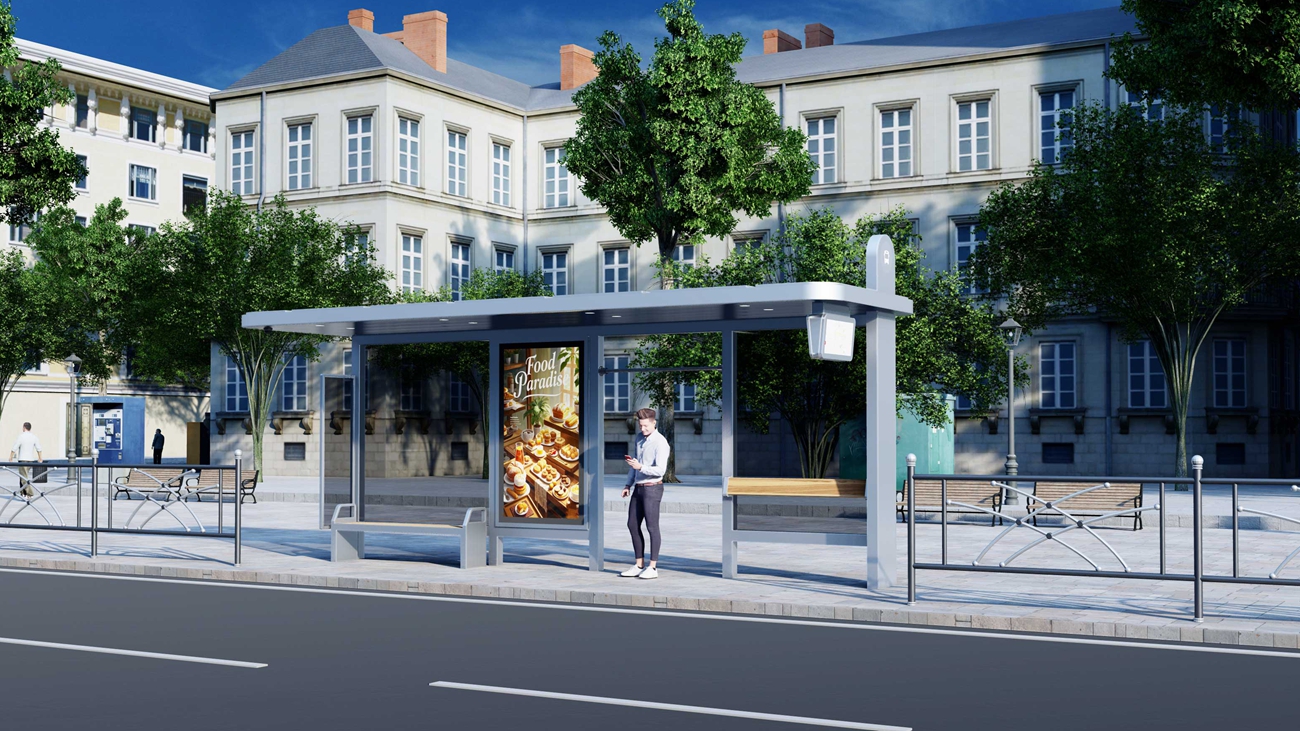
YEROO Smart Bus Shelter is no longer just a place for passengers to wait—it is a sophisticated environmental monitoring station. By integrating high-precision sensors, these shelters provide cities with a granular, real-time understanding of their urban environment.
1. Air Quality Monitoring for Healthier Living
One of the most critical applications of YEROO's technology is real-time **Air Quality Monitoring**. Each shelter can be equipped to measure:
* Particulate Matter (PM2.5 and PM10)
* Nitrogen Dioxide (NO2) and Carbon Monoxide (CO)
* Ozone (O3) and Humidity Levels
This data allows city planners to identify pollution hotspots and take immediate action, directly contributing to a higher quality of life and meeting municipal ESG (Environmental, Social, and Governance) targets.
2. Traffic Data Nodes: Optimizing the Flow
YEROO shelters act as vital Traffic Data Nodes. Using advanced AI-vision or ultrasonic sensors, the shelters can monitor:
* Vehicle Counts and Classification: Understanding which types of vehicles use specific corridors at what times.
* Pedestrian Density: Measuring foot traffic to optimize urban planning and emergency response.
* Real-time Congestion Levels: Providing data that feeds directly into city traffic management systems to reduce gridlock and carbon emissions.
3. Acoustic Sensing and Noise Mitigation
Urban noise is a significant stressor for residents. YEROO's IoT-integrated shelters monitor noise pollution levels, providing the data needed to design quieter, more livable urban spaces.
Data-Driven Decision Making for Smart Governments
The true value of YEROO Smart City Solutions lies in the data. The information collected by these IoT-connected Transit Furniture nodes is aggregated into a centralized dashboard, giving city governments the "intelligence" needed for:
* Infrastructure Optimization: Deciding where to build new transit lines or expand parks based on actual usage data.
* Environmental Policy: Measuring the direct impact of low-emission zones or new traffic regulations.
* Public Safety: Identifying areas where increased lighting or security presence may be needed based on pedestrian flow patterns.
Improving Life Through Invisible Intelligence
At YEROO, we believe that the best smart city technology is "invisible"—it works in the background to make the city safer, cleaner, and more efficient without disrupting the daily lives of its citizens. By turning the bus stop into a data node, the **YROO Group** is helping cities "hear" the needs of their residents like never before.
Does your city have the senses it needs? [Contact YEROO] today to learn more about our 2026 IoT-integrated bus shelter solutions and how we can help you build a more responsive urban environment.









 Address:North Tower 904,New World Times Center,Guangyuan Dong Road ,Guangzhou,China
 Phone: +86 13826225776
 Email:yeroo10@3dyeroo.com


