Public transit shelters sit on street corners, in retail districts, and outside transport hubs for twenty-four hours a day. Unlike controlled indoor spaces, they are exposed to deliberate damage, unauthorised advertising, theft of fixtures, and weather extremes. A single act of vandalism can disable real-time displays, shatter glazing, block seating, or deface advertising panels, leaving passengers without shelter information and councils or operators with repair bills.
A vandal resistant bus shelter is engineered from the outset to absorb abuse and remain operational. The goal is not to create an impenetrable fortress, but to increase the time, effort, and noise required to cause damage so that opportunistic attacks fail and serious attacks become visibly obvious. In this guide, YEROO shares the design principles, material choices, and security features that make modern bus shelters resilient in public spaces.
Why Vandal Resistance Matters More Than Ever
Transit agencies and city councils report that maintenance costs for damaged shelters are a growing line item. Graffiti removal, glass replacement, stolen LED modules, and burnt or torn seating add up quickly. According to the U.S. Federal Transit Administration, vandalism and accidental damage are among the most frequent causes of premature asset replacement in outdoor transit infrastructure. When a shelter is taken out of service, the passenger experience suffers and the return on investment for advertising revenue drops.
The business case for a vandal resistant bus shelter extends beyond repair savings. Resilient shelters:
For procurement officers comparing suppliers, vandal resistance should be treated as a total-cost-of-ownership issue, not an optional extra.
Core Design Principles of Vandal-Resistant Bus Shelters
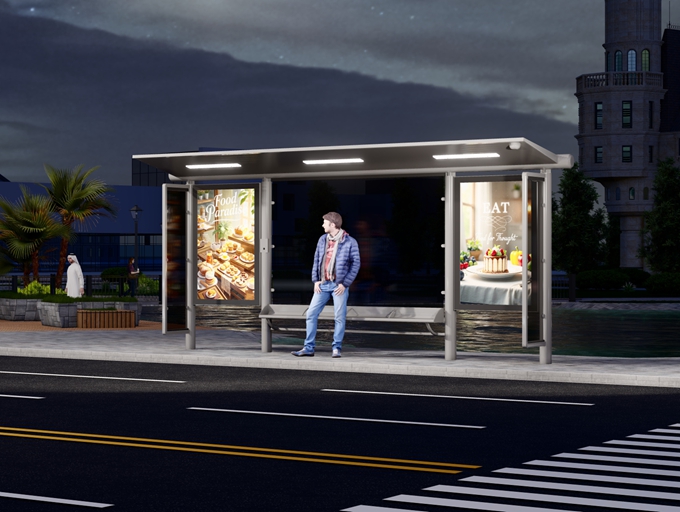
Effective vandal-resistant design follows four principles: visibility, robustness, replaceability, and deterrence.
Visibility. Criminal behaviour thrives in hidden corners. Open-plan shelters with clear sightlines from the street, CCTV-friendly angles, and internal lighting make users feel safer and make vandals easier to spot. YEROO designs shelters with minimal blind spots and translucent or mesh rear panels where appropriate.
Robustness. Every load-bearing and cosmetic component must withstand impact, cutting, pulling, and burning. Frame joints are welded rather than bolted at critical points. Roof panels are secured with tamper-resistant fasteners. Glazing is specified as laminated or polycarbonate rather than standard annealed glass.
Replaceability. Even the strongest shelter may eventually be damaged. Smart design makes common attack points quick and inexpensive to replace. Advertising panels, light diffusers, seat slats, and information frames are therefore modular. A damaged panel can be swapped in minutes without replacing the entire shelter.
Deterrence. Visible security features such as anti-graffiti coatings, tamper-proof fixings, and integrated CCTV housings signal that the asset is protected. Deterrence is psychological as much as physical.
Materials and Components That Withstand Abuse
Material selection is the foundation of any vandal resistant bus shelter. YEROO manufactures shelters from galvanised steel, aluminium, stainless steel, and toughened safety glazing, with each component chosen for its role in the structure.
Frames and Cladding
Hot-dip galvanised steel provides high impact resistance and, when paired with a polyester or PVDF powder coat, resists corrosion and graffiti. For coastal or high-salinity environments, 304 or 316-grade stainless steel is specified to prevent corrosion without sacrificing strength. Aluminium profiles are used where weight matters, but they are typically reinforced with internal steel inserts at hinge and fixing points.
Glazing
Standard tempered glass shatters into small granules when broken, which is safer than sharp shards but still leaves the shelter open to the elements. Laminated glass and polycarbonate are preferred for vandal resistance. Laminated glass holds together when cracked because of the interlayer, while polycarbonate is virtually unbreakable under normal impact. A comparison of common glazing options is shown below.
Glazing Option | Impact Resistance | Vandal Resistance | Cost Level | Best Application |
Annealed Float Glass | Low | Poor | Low | Internal or low-risk areas only |
Tempered Glass | Moderate | Moderate | Medium | Standard urban shelters |
Laminated Glass | High | High | Medium-High | High-traffic and high-risk locations |
Polycarbonate | Very High | Very High | High | Sports venues, nightlife districts, schools |
Laminated-Tempered Glass | Very High | Very High | Premium | Premium city centres and interchanges |
Seating
Timber slats are attractive but vulnerable to burning and carving. Metal seats with anti-vandal coatings, perforated steel benches, or cast aluminium seating are more resilient. Some designs omit seats entirely in locations with chronic antisocial behaviour, replacing them with leaning rails that are harder to damage and easier to clean.
Fixings and Fasteners
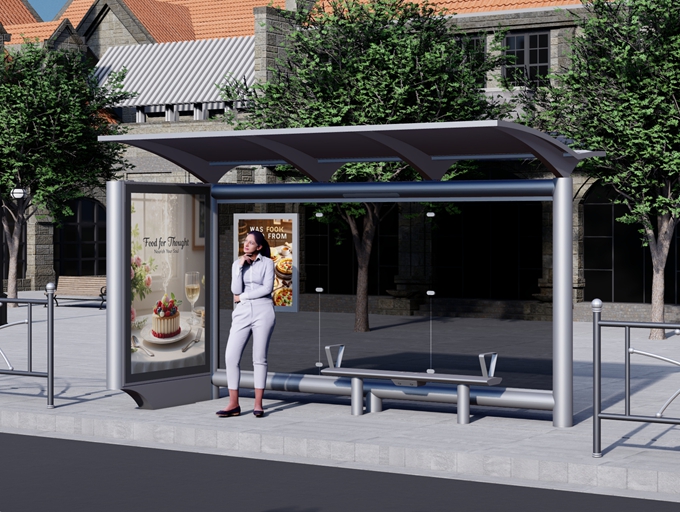
Tamper-resistant Torx, tri-groove, or pin-in-hex fasteners prevent casual removal of panels and fixtures. Captive nut systems and welded studs reduce the number of removable parts. YEROO also supplies shelters with security-head bolts that require proprietary drivers, limiting unauthorised access.
Integrated Security Features for Modern Transit Shelters
Beyond material strength, several active and passive security features can be built into a vandal resistant bus shelter.
Anti-graffiti coatings. Clear polyurethane or ceramic coatings create a smooth surface that allows spray paint and marker ink to be wiped away with solvents. This reduces cleaning time and discourages repeat tagging because the artwork does not last.
Fire-resistant materials. Roof and seat materials can be specified to Class B or Class A fire ratings under EN 13501-1. Fire-retardant powder coats and metal cores prevent seats from becoming fuel sources.
Recessed lighting and protected electrics. LED modules, driver boxes, and cabling are housed inside tamper-proof aluminium extrusions. This prevents theft of copper wiring and protects against water ingress caused by damaged enclosures.
Reinforced advertising panels. Backlit advertising panels use polycarbonate faces and steel-backed retainers. Poster kiosks are fitted with slam locks rather than simple latches to prevent unauthorised access.
CCTV and emergency call integration. Modern shelters can be pre-cabled for CCTV mounting, public address speakers, and emergency help points. Pre-installed conduit and mounting brackets reduce installation costs and ensure that cameras have an unobstructed view of the shelter interior.
Standards, Testing, and Procurement Checklist
Vandal resistance is not defined by a single global standard. Procurement teams should look for a combination of structural, safety, and material certifications.
When evaluating a supplier, request test reports or project references that demonstrate performance in comparable environments. A manufacturer that has deployed shelters in nightlife districts, coastal towns, or high-density city centres will understand which combinations of features work in practice.
Vandal-Resistant Bus Shelter Procurement Checklist
Requirement | Question to Ask the Supplier |
Frame strength | Is the structure hot-dip galvanised and powder-coated to ISO 1461 / EN 12206-1? |
Glazing specification | Is the glass laminated, toughened, or polycarbonate, and to what safety standard? |
Fastener security | Are tamper-resistant or security-head fixings used for all accessible panels? |
Fire performance | What is the fire classification of seats, roof panels, and cladding? |
Electrical protection | Are LED drivers, cables, and junction boxes in tamper-proof housings? |
Graffiti defence | Is an anti-graffiti coating applied as standard or available as an option? |
Modularity | Can damaged panels, seats, or glazing be replaced without removing the whole shelter? |
Installation support | Does the supplier provide foundation drawings and on-site commissioning? |
FAQ: Vandal-Resistant Bus Shelter Design
What makes a bus shelter vandal-resistant?
A vandal-resistant shelter uses impact-resistant materials such as laminated glazing and galvanised steel, tamper-proof fixings, anti-graffiti coatings, and protected electrical housings. The design discourages damage, limits the impact of attacks, and makes repairs quick and modular.
Is vandal-resistant design more expensive than standard shelter design?
The upfront unit cost is typically ten to twenty-five percent higher, depending on glazing and security specifications. However, reduced maintenance, fewer replacements, and longer service life usually produce a lower total cost of ownership over ten to fifteen years.
Which glazing is best for high-vandalism areas?
Polycarbonate or laminated-tempered glass offers the best resistance. Polycarbonate is virtually unbreakable against normal impact, while laminated-tempered glass combines strength with the safety benefits of holding together when cracked.
Can existing bus shelters be upgraded for better vandal resistance?
Yes. Common upgrades include replacing glazing with laminated or polycarbonate panels, applying anti-graffiti film or coatings, swapping standard fasteners for tamper-resistant fixings, and installing CCTV or improved lighting. YEROO can assess existing assets and recommend retrofit packages.
Do vandal-resistant shelters still look modern?
Yes. Vandal resistance does not require a fortress aesthetic. Sleek aluminium frames, frameless laminated glass, and minimalist seating can all be specified with security features concealed inside the design.
How do anti-graffiti coatings work?
Anti-graffiti coatings form a non-porous surface that prevents paint, ink, and adhesives from bonding permanently. Cleaning crews can remove tagging with standard solvents or pressure washing, preserving the shelter's appearance and reducing labour costs.
Conclusion: Build Resilience Into Every Transit Asset
Vandalism is an unavoidable reality in public transit infrastructure, but the right design choices turn a vulnerable shelter into a durable asset. A vandal resistant bus shelter combines robust materials, tamper-proof detailing, and modular components to keep services running and passengers safe while controlling lifecycle costs.
YEROO has spent twenty-five years manufacturing outdoor advertising and transit infrastructure for more than one hundred and ten countries from a 31,000-square-metre facility in Foshan. Our engineering team works with councils, transit authorities, contractors, and media operators to specify shelters that match local risk profiles, climate conditions, and aesthetic requirements.
If you are planning a new transit corridor or upgrading an existing shelter network, explore our classic bus shelter range or transit shelter solutions to see the security options available. For project-specific advice, contact YEROO to request a quotation or schedule a design consultation.










 Address:North Tower 904,New World Times Center,Guangyuan Dong Road ,Guangzhou,China
 Phone: +86 13826225776
 Email:yeroo10@3dyeroo.com


