YEROO, a global specialist in customized outdoor public infrastructure, has engineered a specialized hermetically sealed bus shelter solution for Iceland’s unforgiving Arctic climate. Designed to combat extreme subzero temperatures, high winds, and heavy snowfall, this (hermetically sealed) shelter integrates advanced thermal insulation and optional air conditioning systems, ensuring passenger comfort and operational reliability in one of the world’s harshest environments.
Project Overview
Iceland’s coastal and urban transit networks face unique challenges, with winter temperatures dropping below −15°C (5°F) and wind chill factors intensifying the cold. Traditional open or semi-enclosed shelters offer little protection, leading to uncomfortable waiting conditions and reduced public transit usage. YEROO’s sealed bus shelter project addresses this critical pain point by providing a climate-controlled transit hub that shields commuters from the elements while maintaining durable, low-maintenance performance. Deployed in Reykjavík and key regional transit corridors, the shelters serve as year-round safe havens for residents, tourists, and daily commuters.
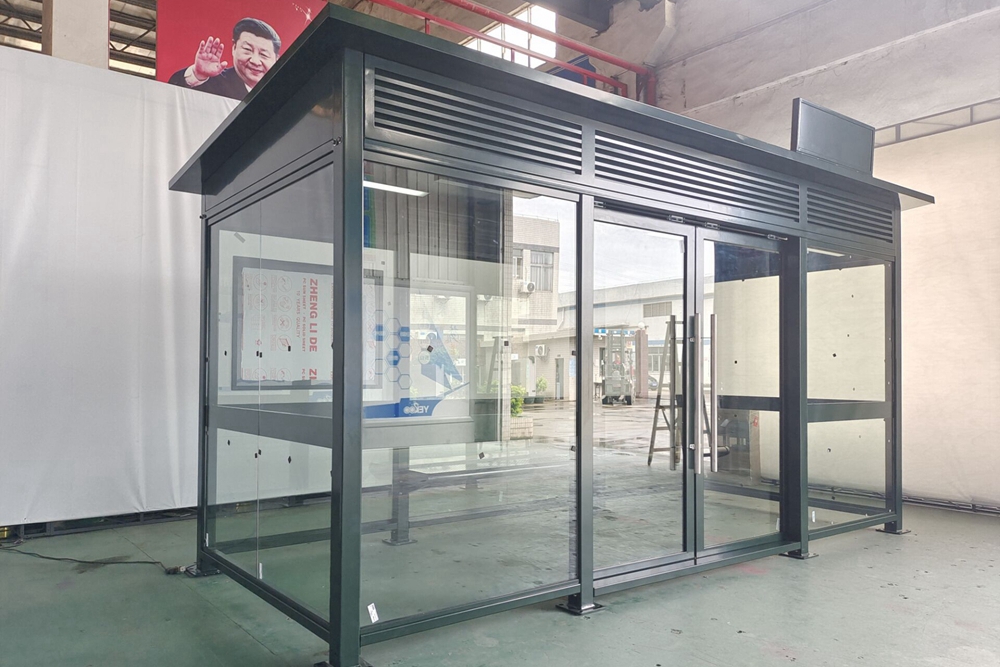
Core Product Features & Technical Advantages
1. Hermetically Sealed & Thermally Insulated Construction (Core Feature)
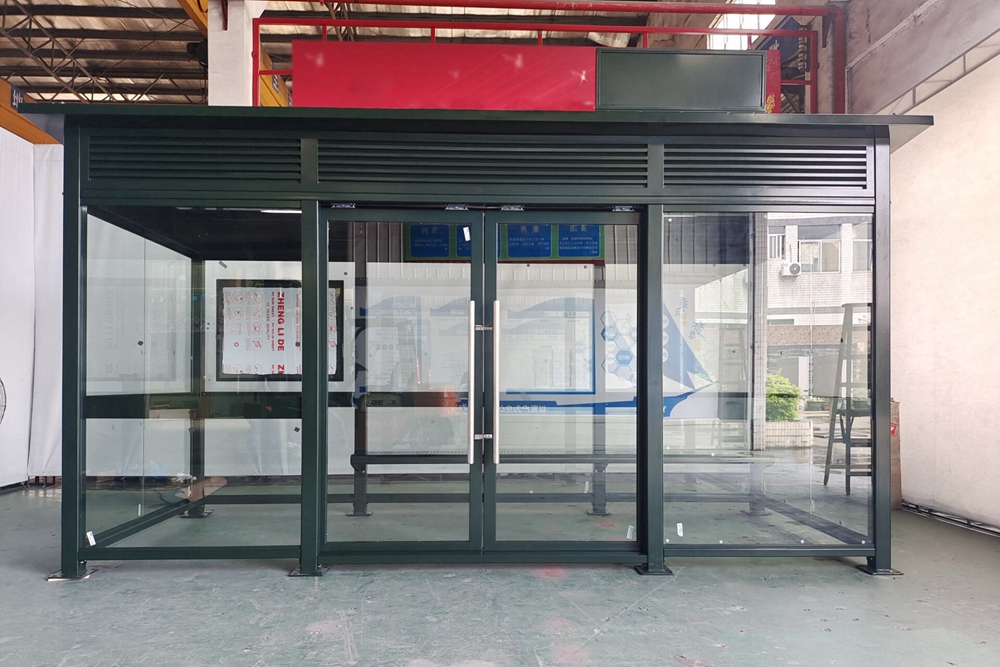
The shelter’s defining feature is its full airtight enclosure, engineered to eliminate cold air infiltration and heat loss:
· Multi-Layered Thermal Insulation: The structure is filled with high-density polyurethane foam insulation, providing excellent thermal resistance to prevent condensation and maintain internal warmth.
· Toughened Double Glazing: Large transparent panels use impact-resistant, double-layer tempered glass with a thermal barrier, reducing heat transfer by 60% compared to single glass and safeguarding against Iceland’s strong winds and snow loads.
· Weatherproof Sealing System: Precision-machined rubber gaskets line all joints and door frames, creating a waterproof and windproof seal that blocks icy winds and snow from entering the shelter.
2. Optional Air Conditioning for All-Weather Comfort
To counter extreme cold and occasional summer warmth, the shelter supports integrated air conditioning (cooling/heating):
· Dual-Mode Climate Control: The AC system provides efficient heating in winter (critical for maintaining a comfortable 15–20°C internal temperature) and cooling in summer, adapting to Iceland’s short, mild warm seasons.
· Efficient Energy Usage: The AC unit is optimized for low power consumption, paired with the shelter’s excellent insulation to minimize energy waste, making it viable for both grid-connected and solar-assisted power setups.
· Quiet Operation: Low-noise compressors and fans ensure a peaceful waiting environment, avoiding disruption to passengers.
3. Wind & Snow Load Resistance
Built to Iceland’s strict structural standards:
· Reinforced Galvanized Steel Frame: The heavy-duty frame is corrosion-resistant (critical for Iceland’s salty coastal air) and engineered to withstand wind speeds of up to 50 m/s and heavy snow loads, preventing structural deformation.
· Sloped Canopy Design: A steeply pitched roof efficiently sheds snow, preventing accumulation that could damage the shelter and ensuring passenger safety.
4. Passenger-Centric & Low-Maintenance Design
· Spacious Interior Layout: Generous floor space accommodates commuters, luggage, and strollers, with ergonomic seating that remains comfortable even in cold weather.
· Clear Internal Signage: Large, scratch-resistant display panels provide clear transit information, essential for reducing travel stress in remote areas.
· Easy Maintenance: The sealed structure resists dust and ice buildup, reducing cleaning and repair needs. The modular AC unit is designed for quick replacement, minimizing downtime.
Localized Customization & Project Value
1. Survival & Comfort in Extreme Cold
The sealed structure and heating AC system transform transit stops from uncomfortable exposure points into safe, warm refuges. This not only improves passenger satisfaction but also increases public transit ridership by making bus travel a more reliable choice in winter.
2. Compliance with Icelandic Standards
The shelters are fully engineered to meet Iceland’s building codes for cold climate resilience, snow load requirements, and accessibility standards, ensuring full compliance with municipal regulations.
3. Sustainable & Cost-Effective Operation
The high-insulation construction reduces heating/cooling energy consumption, lowering long-term operational costs for transit authorities. The durable, corrosion-resistant materials also minimize maintenance expenses, providing a 20+ year service life with minimal upkeep.
Project Impact
Since deployment, YEROO’s sealed bus shelters have become a cornerstone of Iceland’s public transit network:
· They have significantly improved passenger comfort and safety, with zero reports of structural damage or internal condensation in severe winter conditions.
· The climate-controlled environment has made public transit more accessible for the elderly, children, and tourists, boosting ridership in key corridors.
· The shelters have elevated the urban landscape of Reykjavík and regional towns, blending functional resilience with a modern, understated design that complements Iceland’s natural scenery.
YEROO remains committed to delivering climate-adapted public infrastructure solutions globally, combining engineering excellence with user-centric design to meet the unique challenges of extreme environments worldwide.









 Address:North Tower 904,New World Times Center,Guangyuan Dong Road ,Guangzhou,China
 Phone: +86 13826225776
 Email:yeroo10@3dyeroo.com


