Project Overview
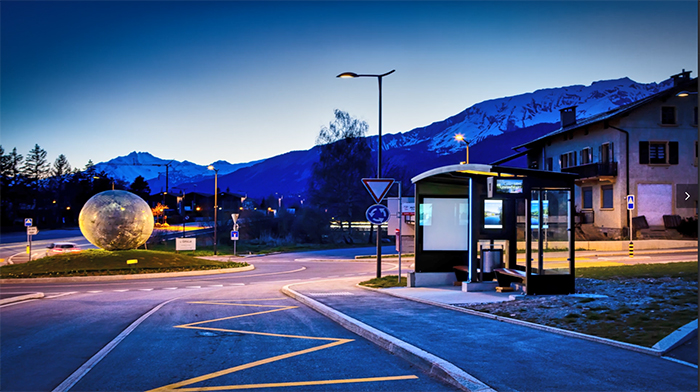
YEROO collaborated with a Swiss municipal transit authority to deliver smart bus shelters for high-altitude regions (1,500+ meters above sea level). The client’s core needs included resistance to extreme cold (-25℃), heavy snowfall, and strong alpine winds, while integrating smart features to enhance commuter experience. The shelters needed to operate reliably in harsh winter conditions and provide a safe, comfortable waiting environment for passengers.
Product Features
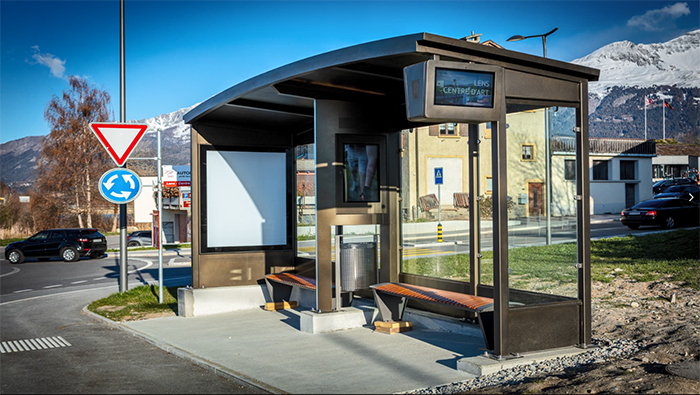
The cold-climate optimized smart bus shelters feature:
- Cold-Resistant Structure: Reinforced galvanized steel frame with thermal insulation layers, designed to withstand -25℃ to 15℃ operating temperatures and 13-level winds.
- Anti-Icing & Heating System: Built-in heating elements in the floor and handrails to prevent ice buildup, plus a snow-shedding sloped roof (45° angle) to avoid snow accumulation.
- Smart Functionality: High-brightness LCD screens for real-time transit info (multi-language support: German, French, Italian), USB charging ports, and low-power LED lighting.
- Durable Materials: Frost-resistant polycarbonate panels (IK 10 impact resistance) and anti-slip flooring to ensure safety in snowy/icy conditions.
Key Technical Specifications
- Operating Temperature: -25℃ to 15℃
- Wind Resistance: 13-level
- Glazing: 10mm frost-resistant polycarbonate (IK 10)
- Smart Features: Real-time transit updates, USB charging (5V/2A), LED ambient lighting
- Structural Lifespan: 10+ years
- Power Supply: Grid power + backup battery (for winter power outages)
Applications
The shelters are installed in high-altitude towns and ski resort areas:
- Municipal bus routes connecting alpine villages
- Ski resort transit hubs for tourists
- Rural commuter stops with extreme winter conditions
Customization & Design
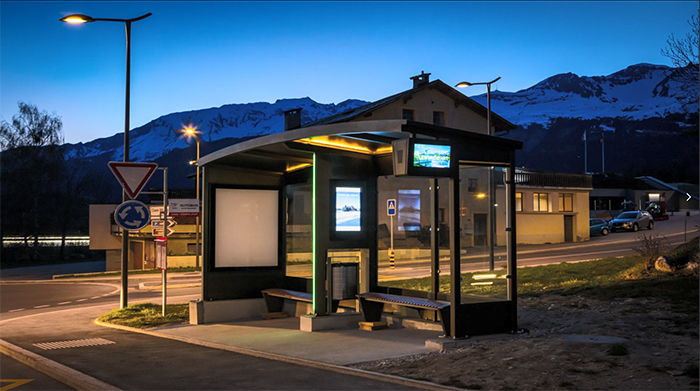
YEROO's customization focused on alpine adaptability:
- Thermal insulation optimization for cold retention
- Multi-language display to cater to Swiss linguistic diversity
- Compact design to minimize wind resistance in mountainous areas
The project has operated reliably for 2 winters, with zero structural failures or functionality issues, and commuter satisfaction scores increased by 42% due to improved comfort and information accessibility.









 Address:North Tower 904,New World Times Center,Guangyuan Dong Road ,Guangzhou,China
 Phone: +86 13826225776
 Email:yeroo10@3dyeroo.com


